Insights
High-conviction analysis of artificial intelligence, technology innovation, robotics, coding and the systems Ghana and Africa need to build lasting technical capability.
Explore by subject
AI in Ghana
Independent analysis of Ghana's AI strategy, talent, responsible adoption, workforce transition and opportunities for locally built systems.
Open briefingRobotics in Ghana
A field-informed view of Ghana's robotics ecosystem, from curriculum and competitions to research, industry and sustainable school implementation.
Open briefingCoding education
Coding pathways that develop computational thinking, creation and public problem-solving—not copied syntax.
Open briefingTechnology innovation
A living map of the builders, institutions, ideas and operating conditions shaping Ghana's technology future.
Open briefingBuilding technology
Engineering and product strategy for African realities: constrained infrastructure, local workflows, trustworthy AI and institutional adoption.
Open briefingSTEM systems
Field-informed analysis of teacher development, resilient infrastructure, inclusion and the operating models behind durable STEM education.
Open briefingThe thinking library
Ideas designed to be debated, tested in classrooms, and turned into better systems.

A living map of Ghana’s innovation system—its builders, institutions, capital, constraints and the connections required to turn promising ventures into national capability.
Read insight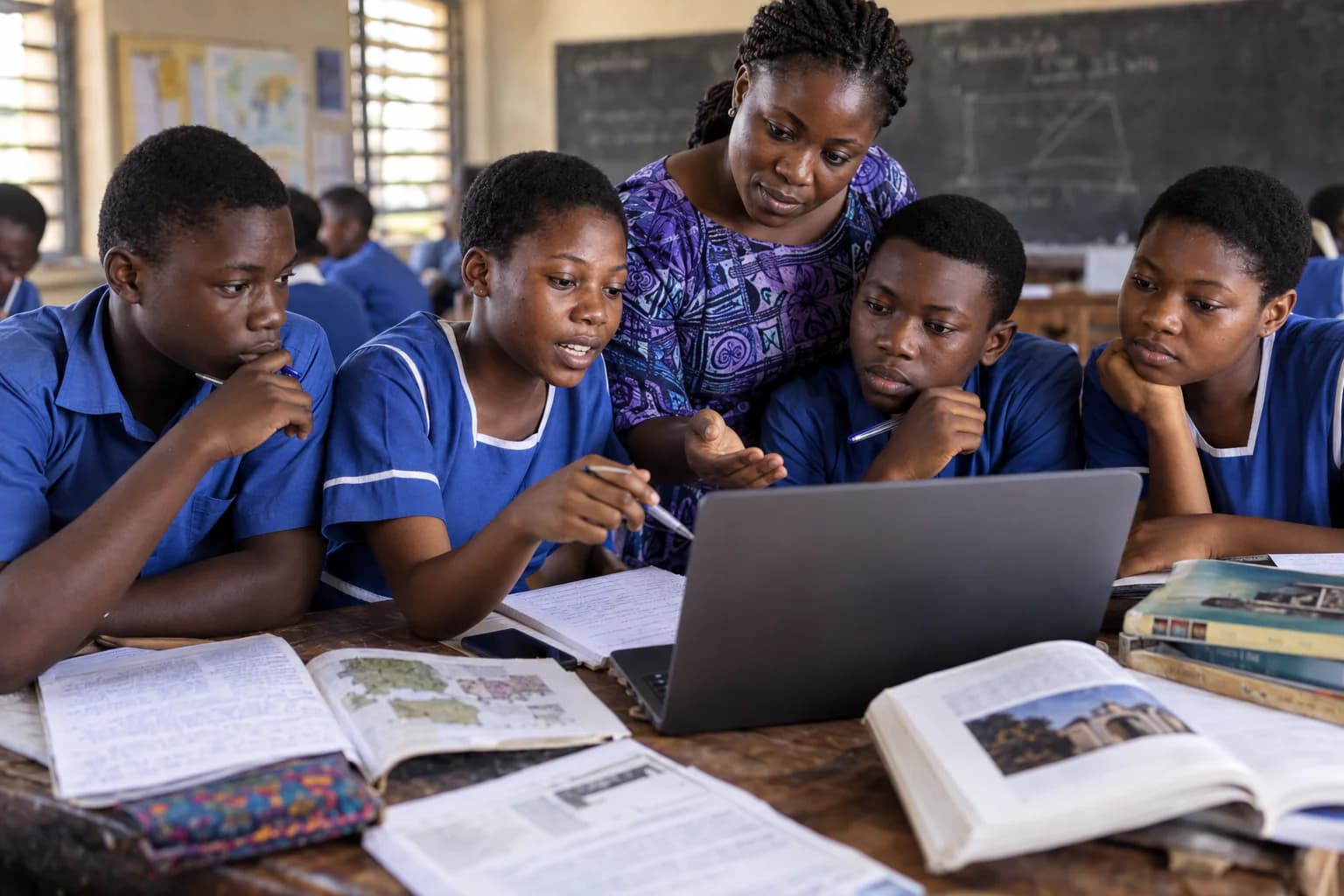
AI readiness is not prompt fluency. It is a layered capability spanning judgement, data, computation, domain knowledge, creation and responsible action.
Read insight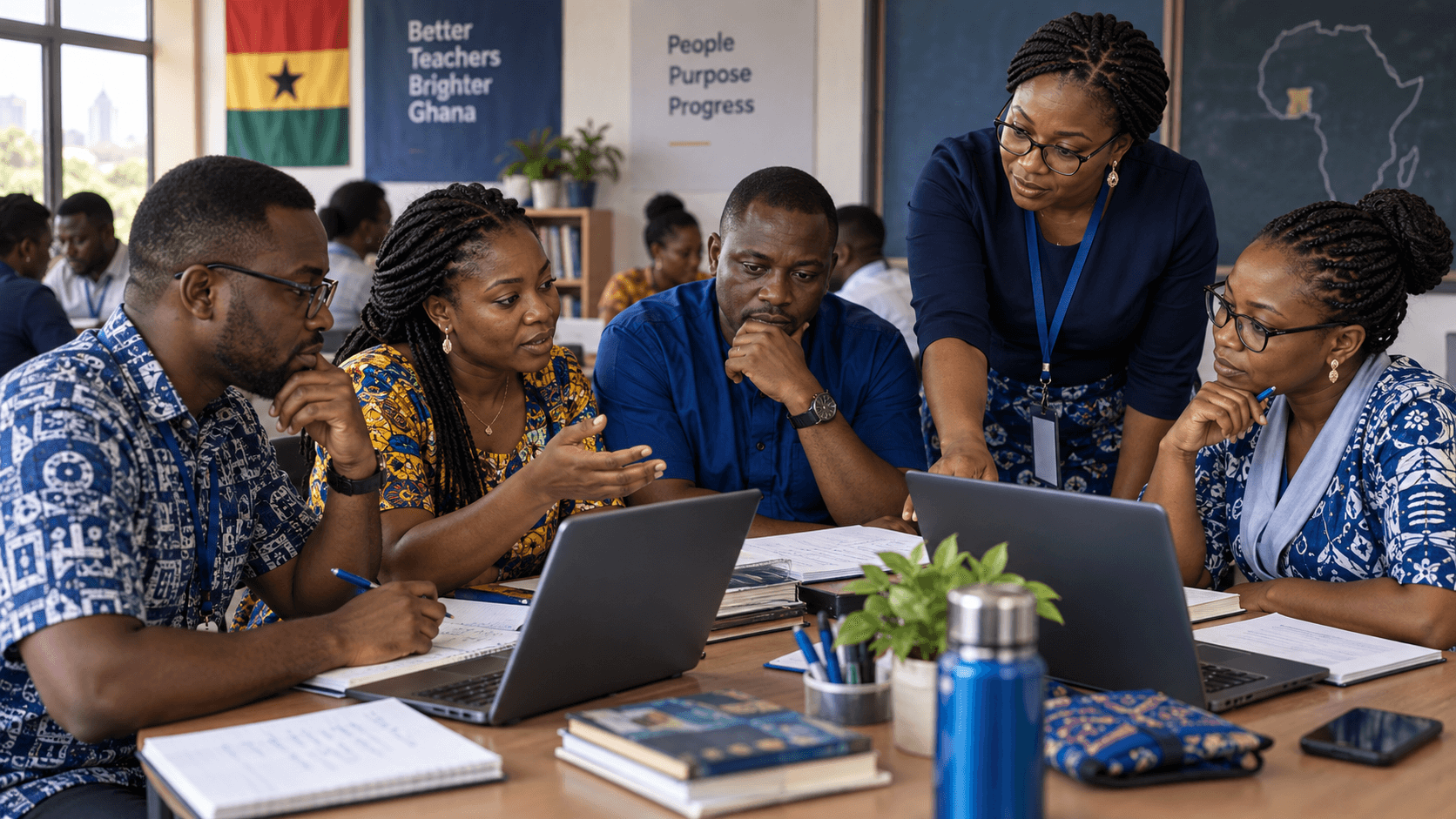
AI can strengthen Ghanaian education—but only if it improves the decisions around learners, teachers and systems instead of automating weak practice.
Read insightAn AI ecosystem becomes competitive when research, talent, data, compute, capital, procurement and trust reinforce one another around valuable problems.
Read insight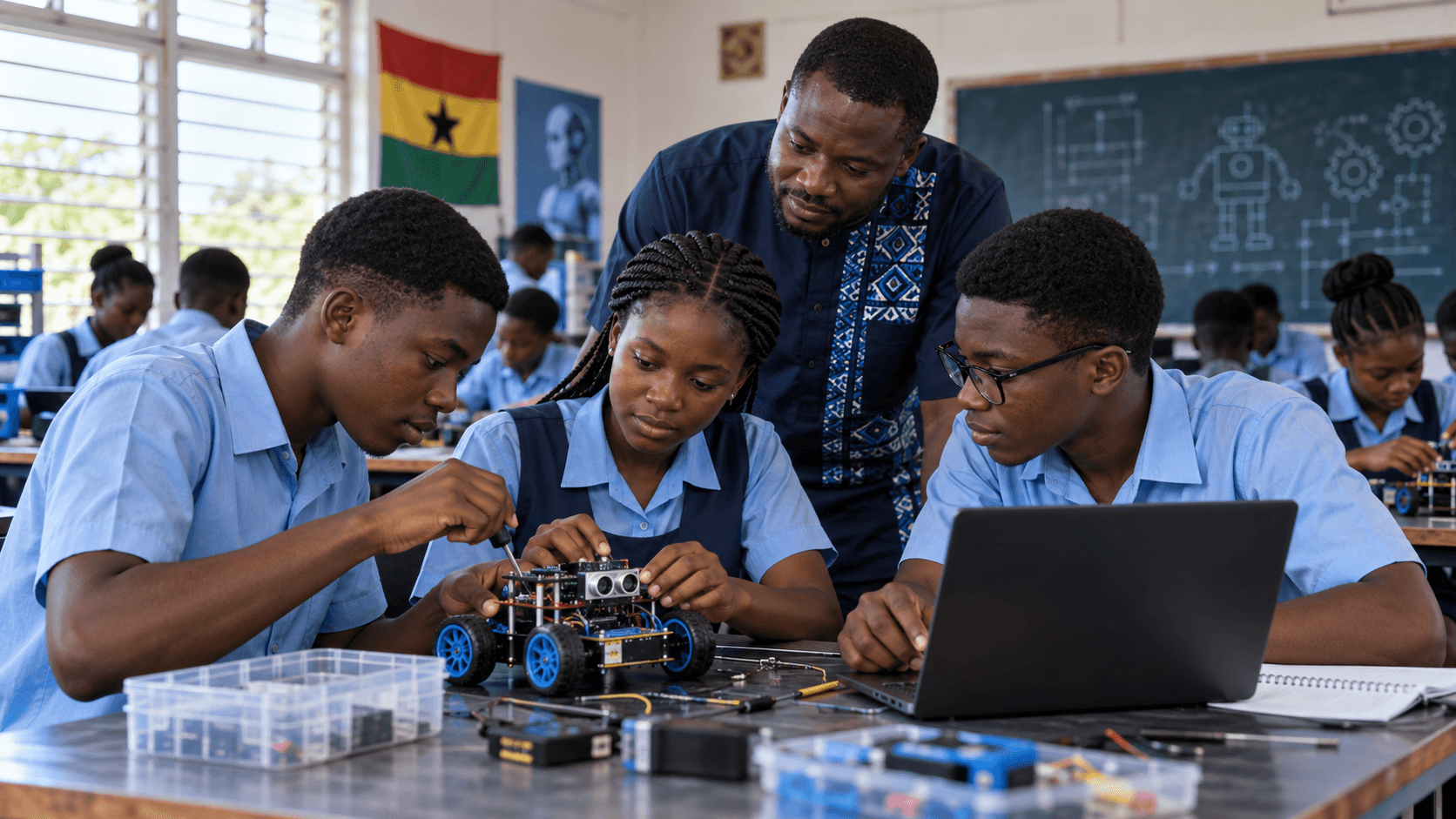
Robotics activity in Ghana is expanding. The next challenge is turning competitions, clubs and pilots into a coherent national capability pathway.
Read insight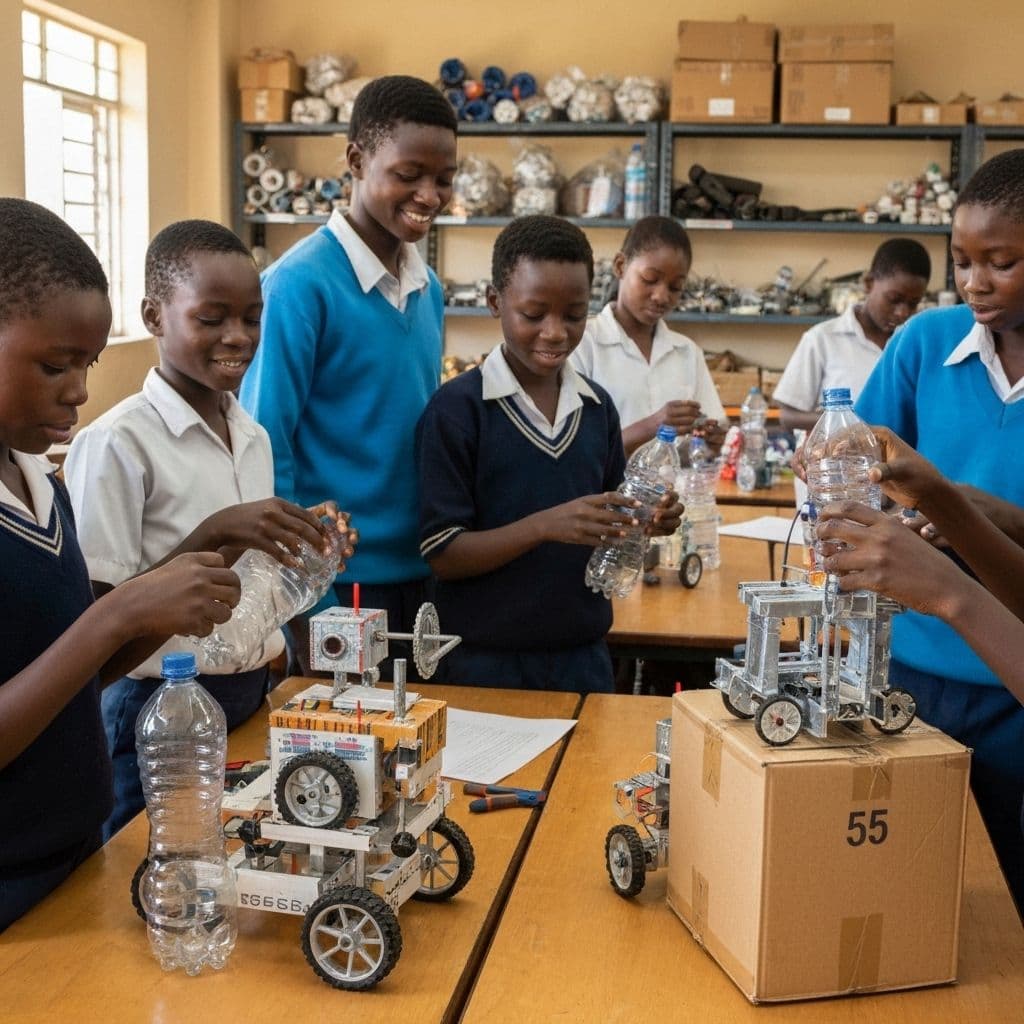
Ghana does not need to manufacture every robot component to build a serious robotics industry. It needs strategic positions across integration, applications, talent and regional service.
Read insight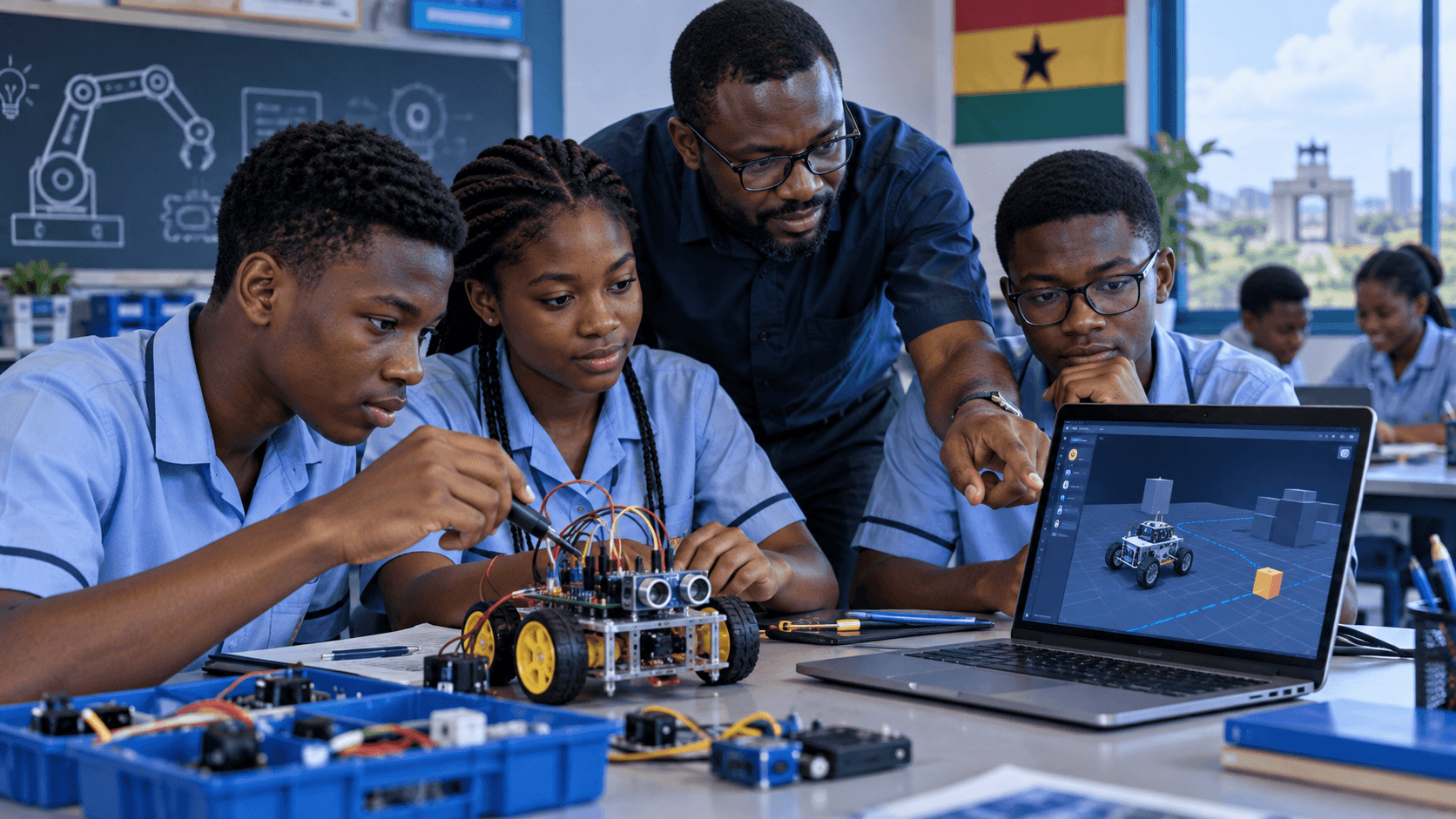
The choice between robotics and coding is usually false. Schools should sequence visible systems, computational reasoning and physical engineering around learner readiness.
Read insightEight field lessons about learner agency, teacher confidence, equipment, inclusion and what remains after a robotics programme ends.
Read insight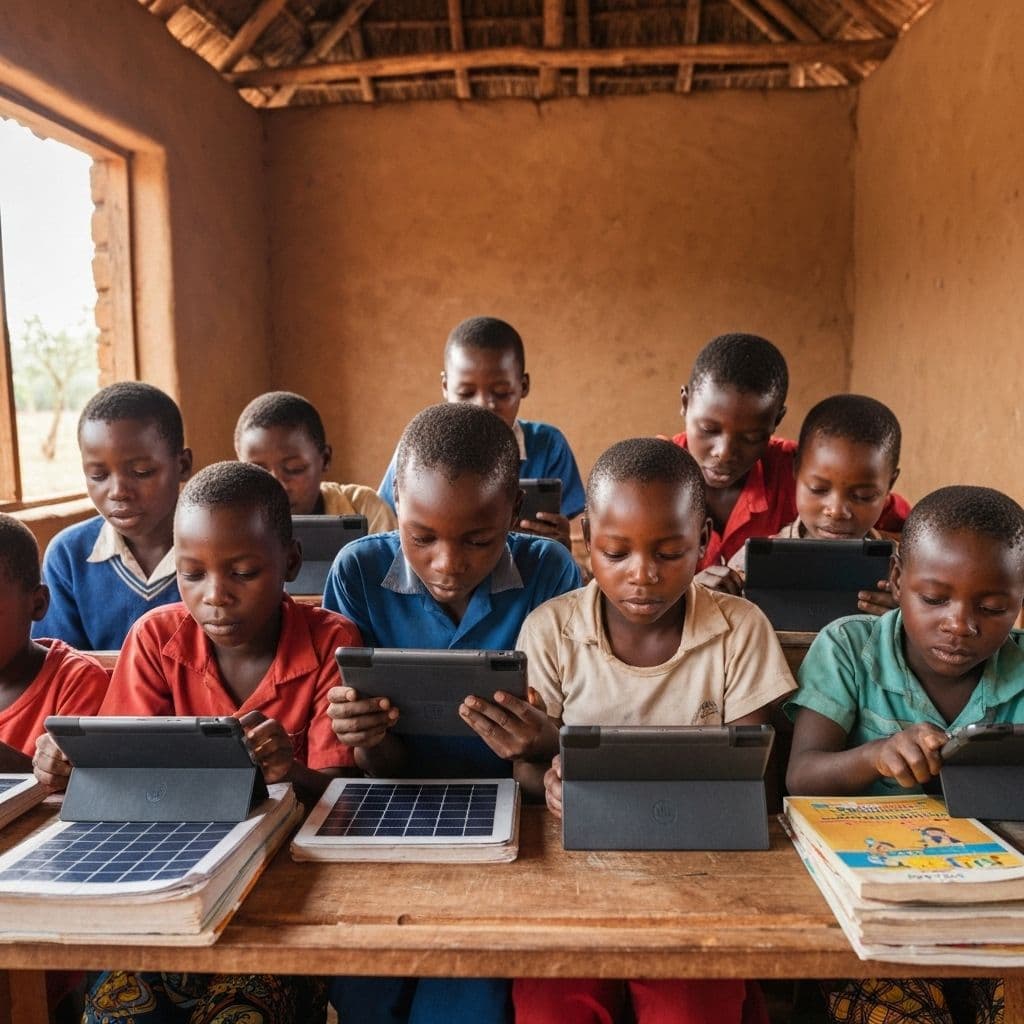
Designing for a small screen is only the beginning. African products must account for shared devices, data cost, power, identity, trust and interrupted use.
Read insight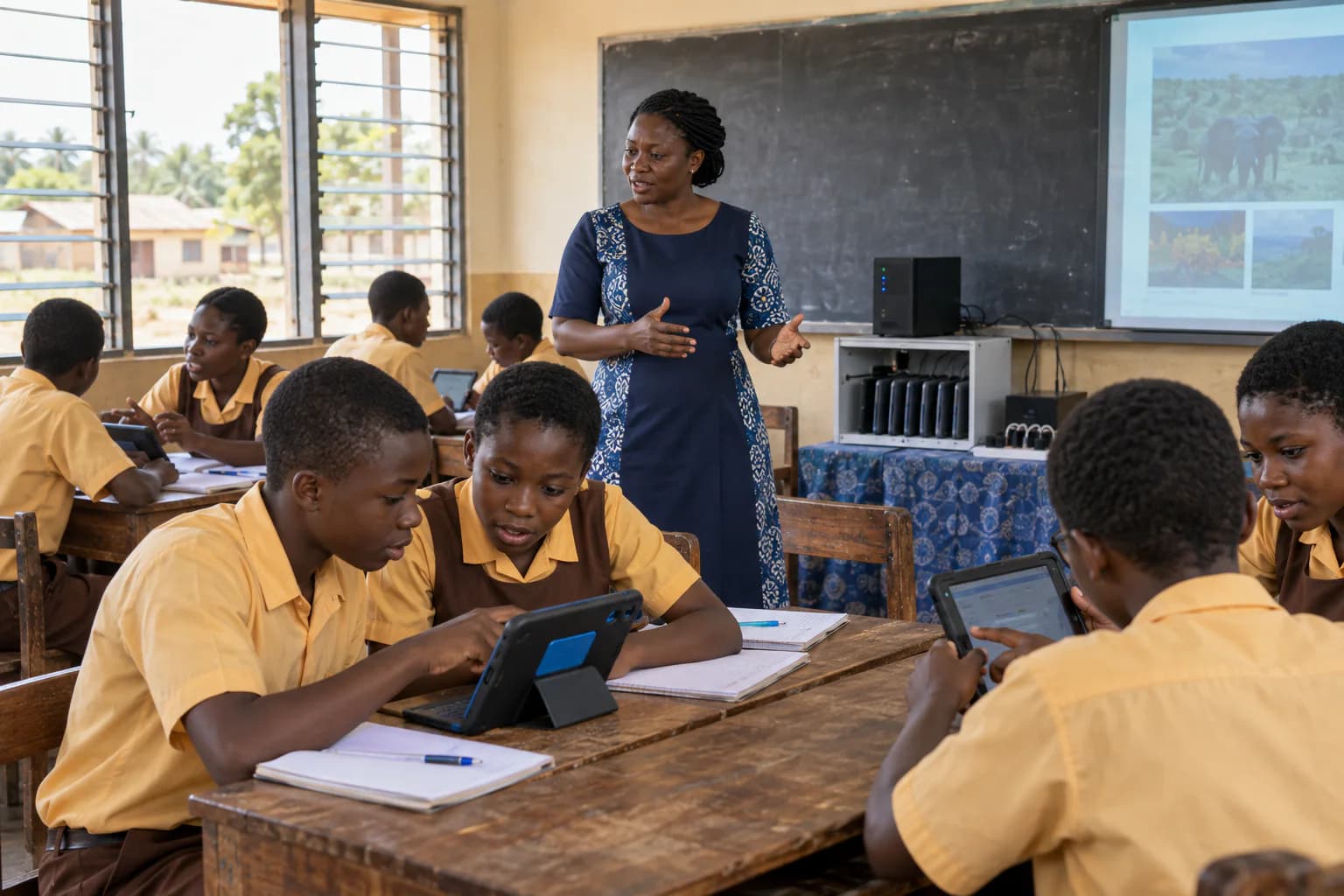
EdTech models carry assumptions about infrastructure, institutions, households and learning. Copying the interface without examining those assumptions imports failure.
Read insightA practical standard for AI products that must work across African languages, infrastructure conditions, institutions and high-consequence decisions.
Read insightA living guide to the institutions, markets, builders and connective infrastructure that determine whether Ghanaian technology moves from promising activity to durable capability.
Read insightA living field map of Ghana's AI builders, research communities and enabling institutions—organised by the capabilities they contribute, not hype.
Read insightA structured map of Ghana's robotics activity across education, competitions, universities, research and emerging industrial application.
Read insight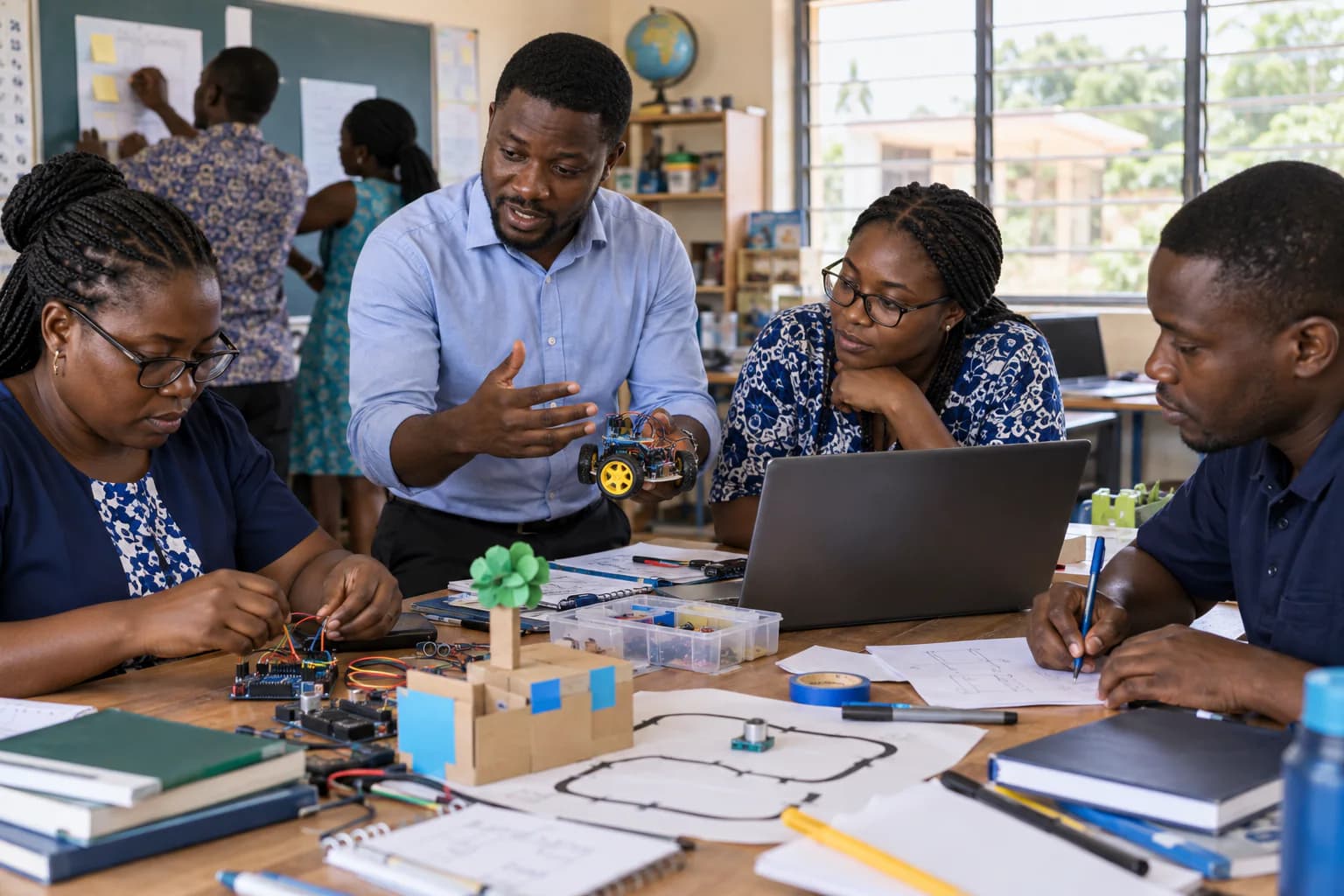
A field guide to Ghana's education-technology landscape—and a standard for distinguishing promising products from durable learning infrastructure.
Read insight
Ghana's technology future is being shaped by founders, engineers, researchers, educators and community builders. This guide maps the roles—not a celebrity ranking.
Read insightGhana has the political ambition and institutional ingredients. Becoming an AI hub will require a sharper proposition than branding: trusted deployment, applied research, talent density and regional usefulness.
Read insightRobotics is entering Ghana’s formal curriculum, but the country must still connect classroom learning, engineering practice, research, industry demand and locally relevant production.
Read insight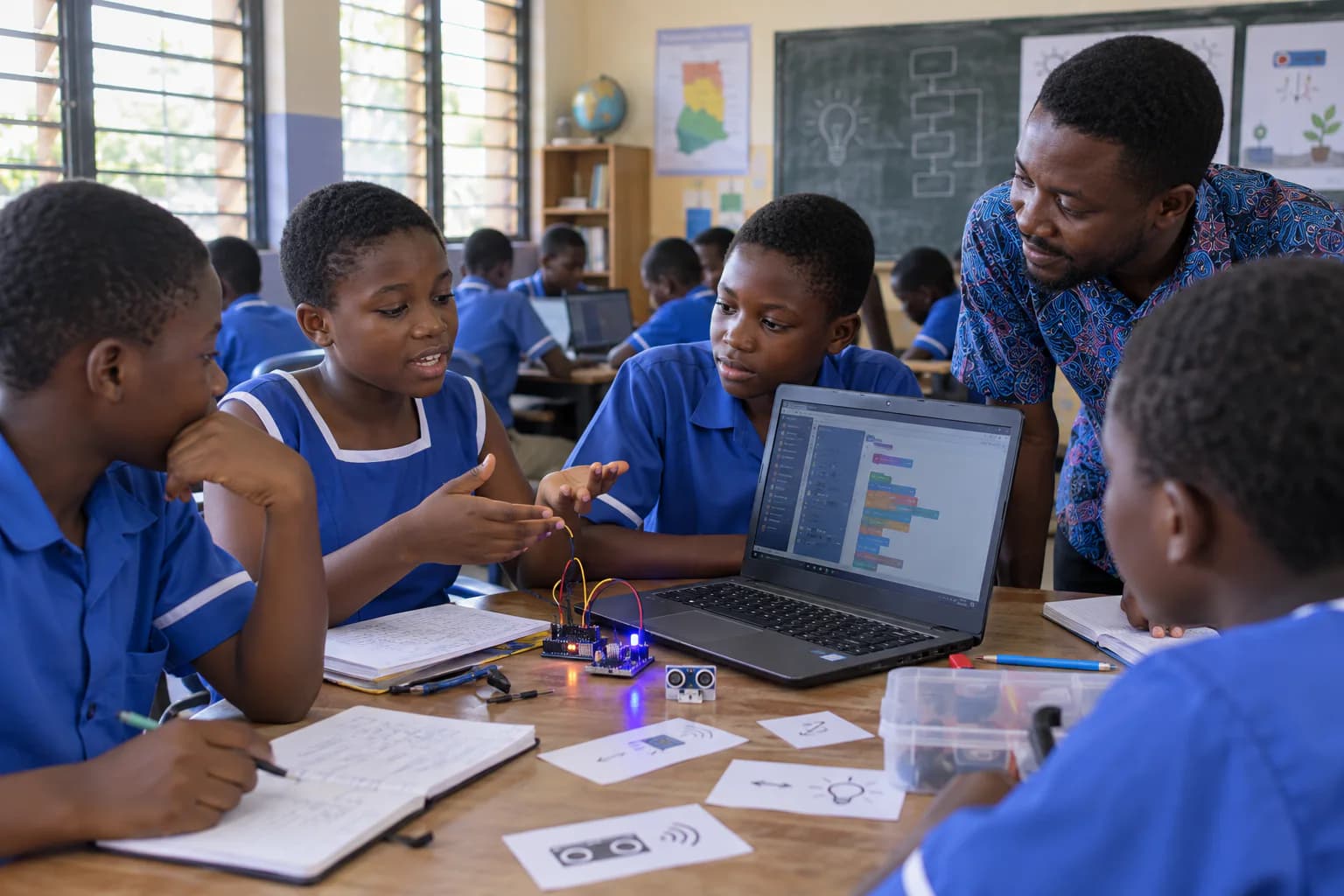
The useful question is not whether AI will remove jobs. It is which tasks will change, who can capture the productivity gains, and how Ghana can help workers move into stronger roles.
Read insightBuilding from Ghana changes the product questions: resilience before polish, workflows before features, distribution before launch and institutional ownership before scale.
Read insight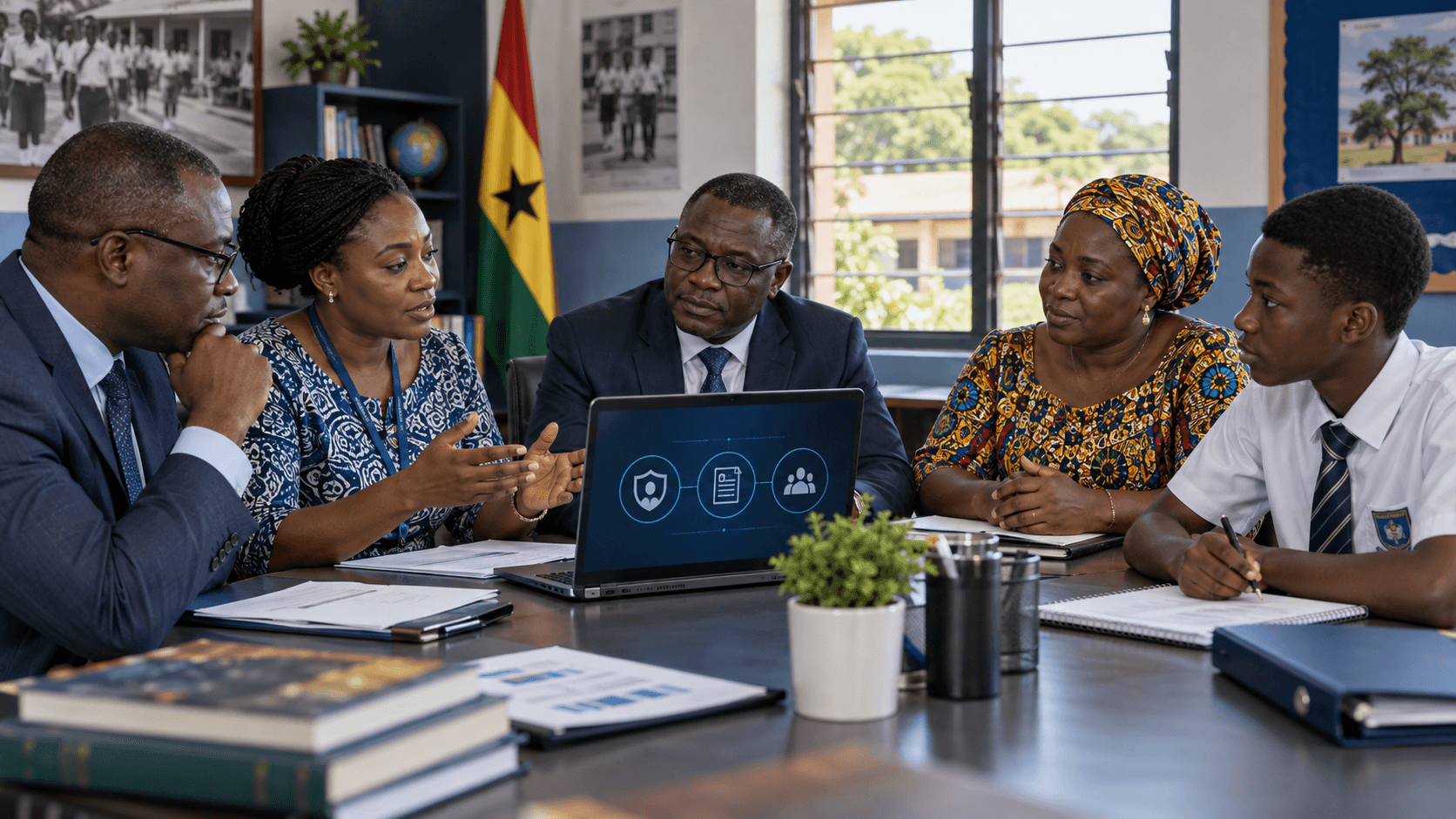
Ghana’s AI opportunity is real, but value will come from disciplined problem selection, usable data, capable institutions and systems designed around Ghanaian realities.
Read insightConsumption gives access to capability designed elsewhere. Building gives Africa the power to shape datasets, objectives, languages, safeguards, skills and economic value.
Read insightGhana needs a progression system that moves young people from curiosity to foundations, repeated practice, real engineering, mentorship, public problems and credible opportunity.
Read insight
A journey from learning in an internet café to building InovTech and KodeVR—and the ideas about access, dignity and African technology that the journey made impossible to ignore.
Read insightA practical framework for moving from a robotics demonstration to a curriculum-connected programme that Ghanaian teachers can sustain and learners can grow through.
Read insight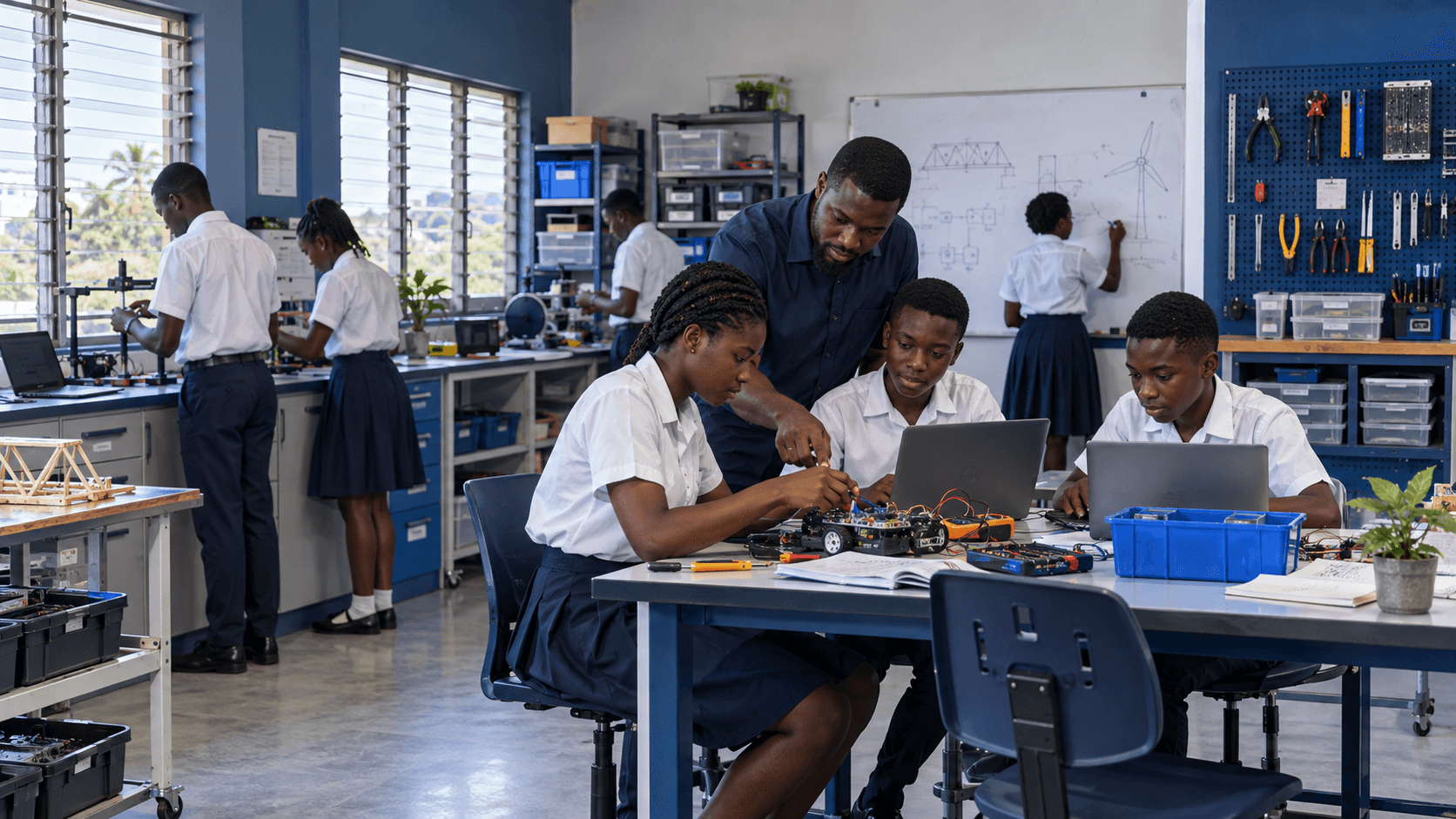
The honest answer is not a single equipment price. It is a total-cost model covering space, learning tools, teachers, operations, maintenance and evidence.
Read insightThe urgent question is not which AI tool schools should buy. It is whether learners and teachers can question, verify, and use AI without surrendering human judgement.
Read insightTeacher AI development should build judgement, ethics, foundations, pedagogy and professional learning—not simply demonstrate prompts.
Read insightAffordability is not buying the cheapest kit. It is designing an investment that converts every cedi into repeated learner practice, teacher capability and an operating system the school can sustain.
Read insight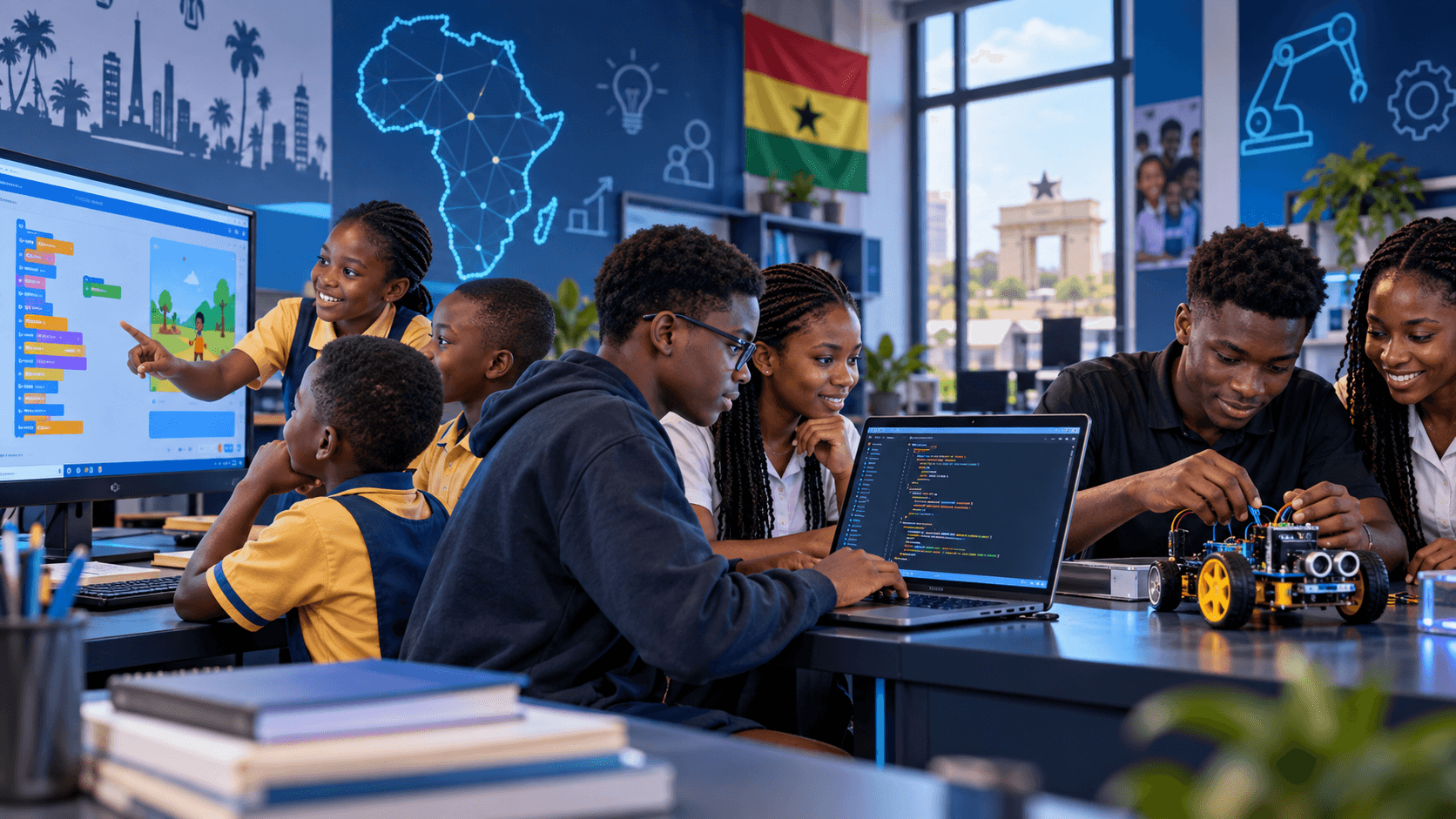
Programming-language choice should follow the learner’s stage and purpose. Here is a progression from computational thinking to useful products.
Read insight
A seven-part due-diligence framework for distinguishing impressive activity from programmes capable of producing equitable, durable learning.
Read insightThe strongest decision is rarely either-or. Compare learning goals, access, cost, feedback and maintenance before choosing a physical, virtual or blended model.
Read insightTechnology scales only when teacher confidence, pedagogy, classroom routines, and peer support scale with it. Training must move from events to sustained practice.
Read insightAfrica should not wait for perfect connectivity to build AI capability. The winning model separates what must happen locally, what may synchronise later and what always requires human judgement.
Read insightA practical ten-part policy architecture covering learning, assessment, privacy, child safety, transparency, procurement and review.
Read insight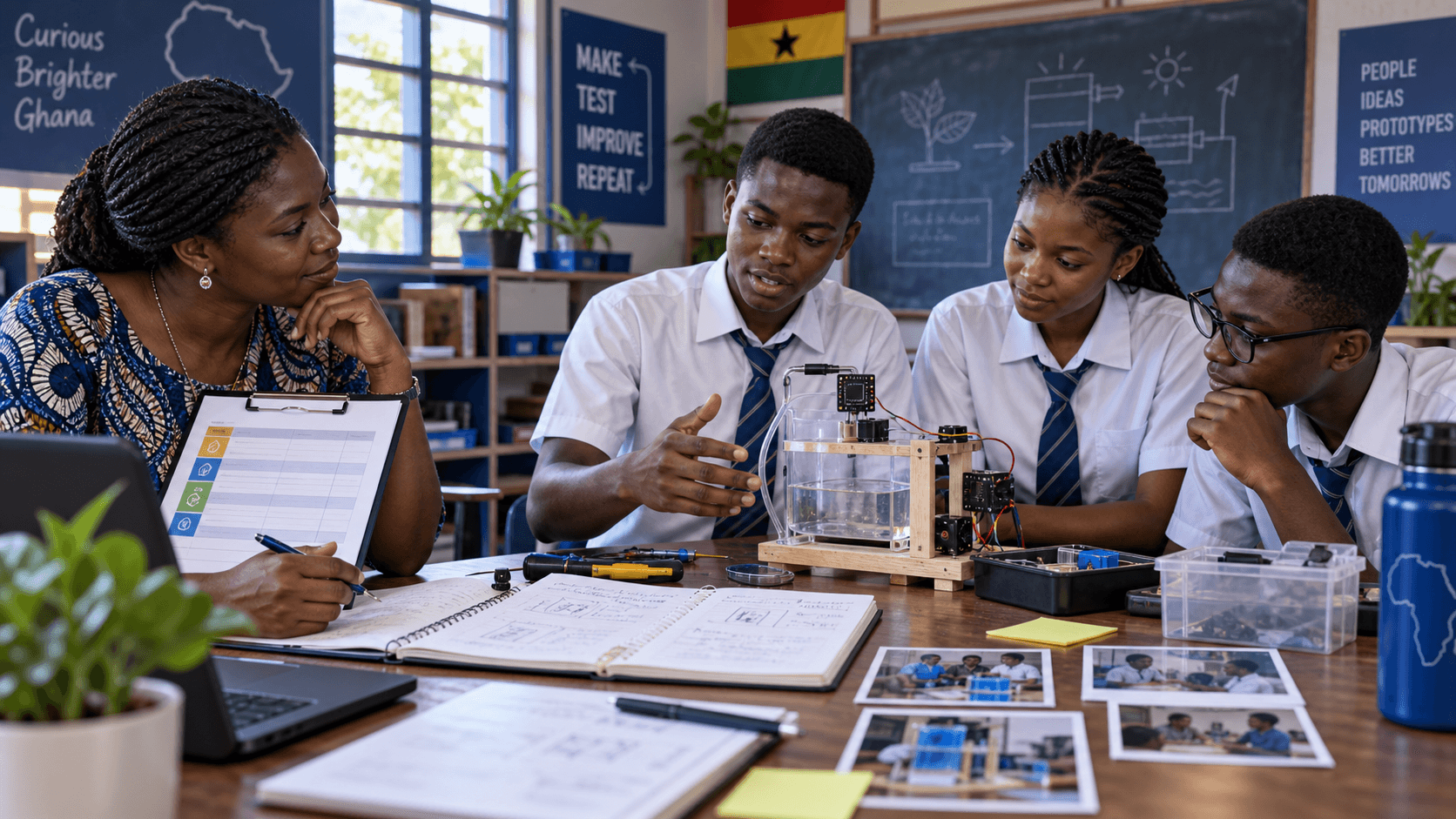
Reach matters, but it is the first layer of evidence. A credible measurement system tracks experience, capability, practice, progression and durability.
Read insight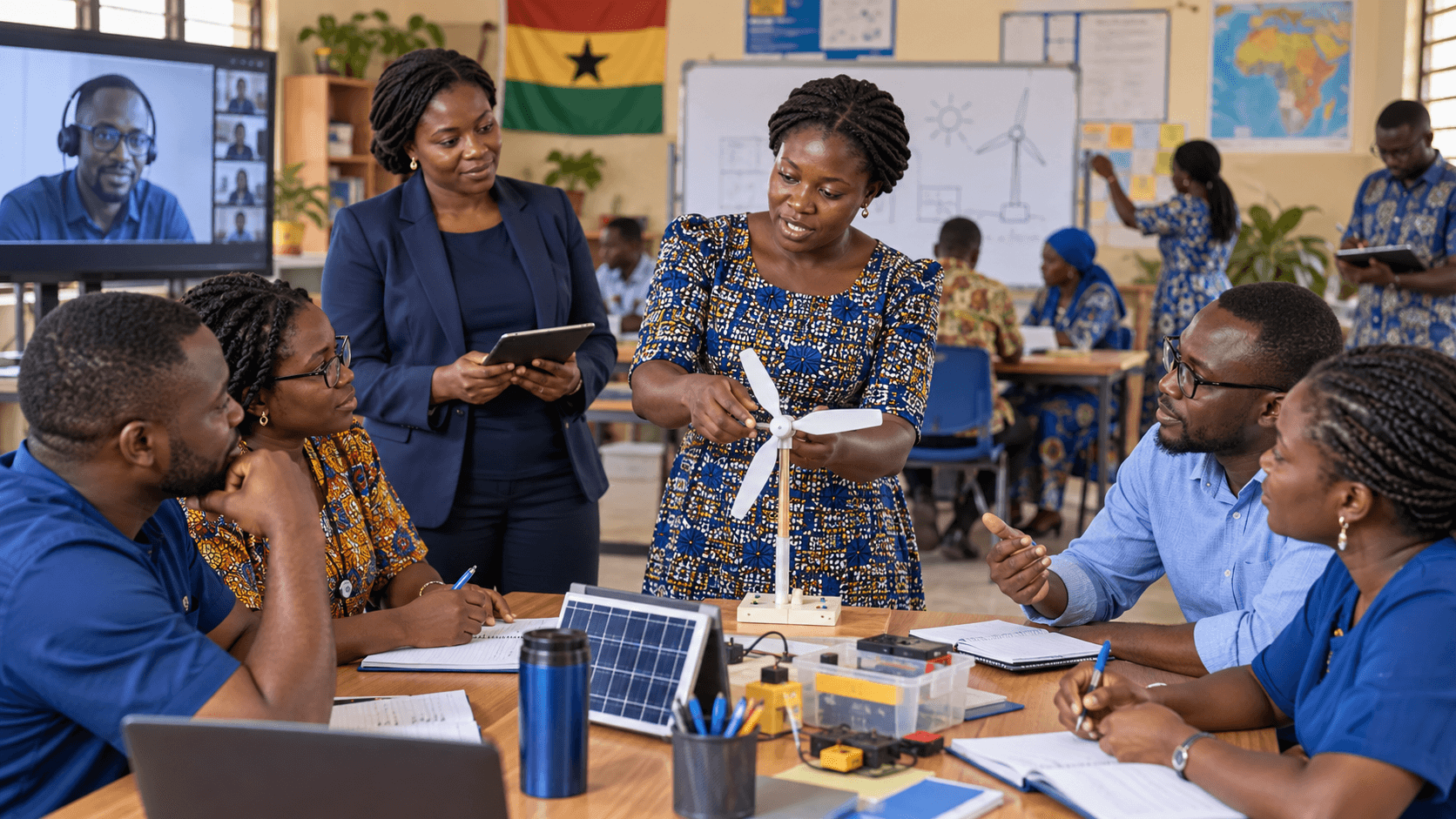
Scale should multiply supported practice, not dilute a workshop. This playbook connects competency progression, coaching, communities and quality assurance.
Read insight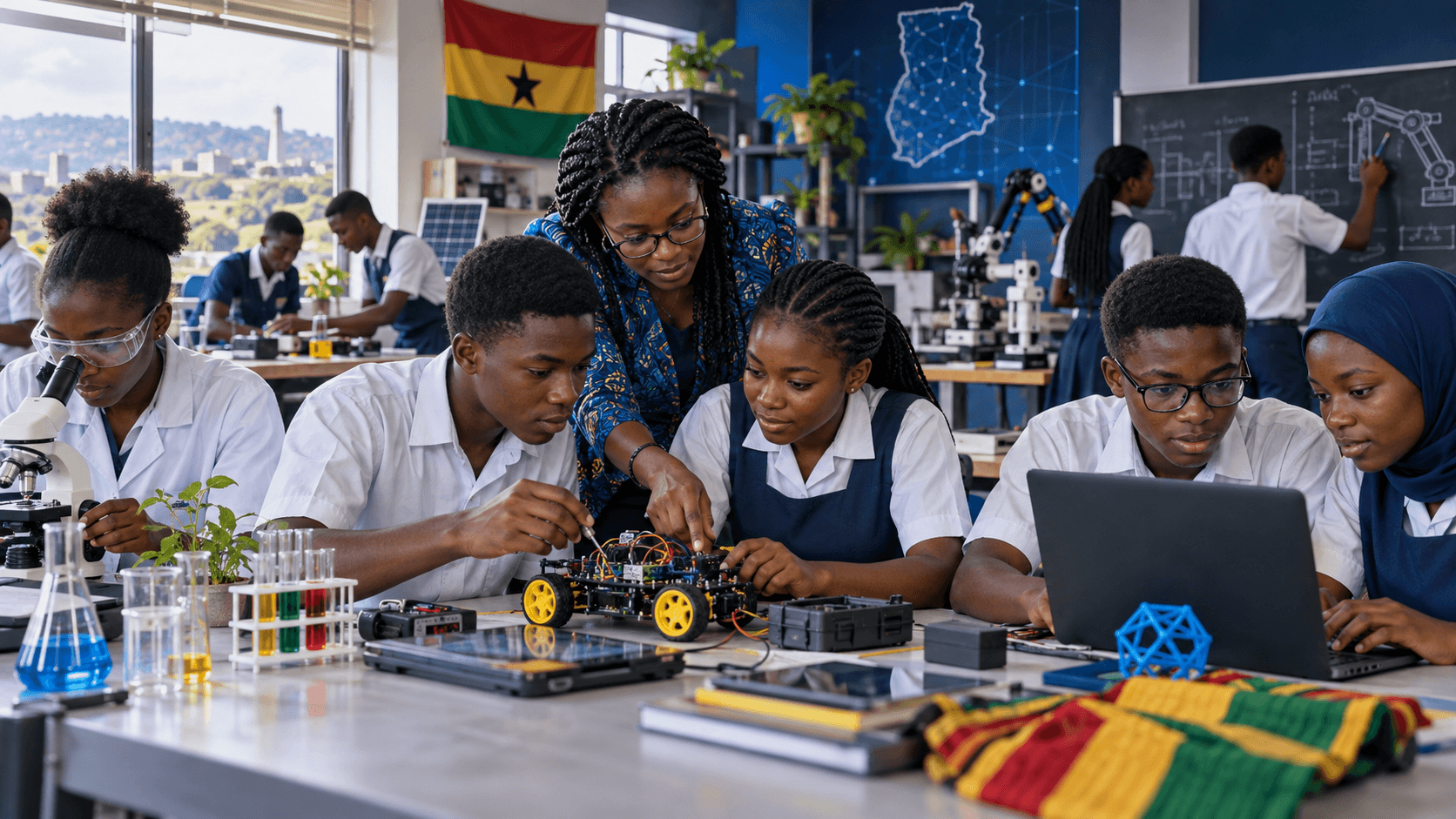
Ghana’s curriculum ambition is becoming clearer. The next challenge is the operating capacity that connects teachers, infrastructure, progression, evidence and equitable access.
Read insight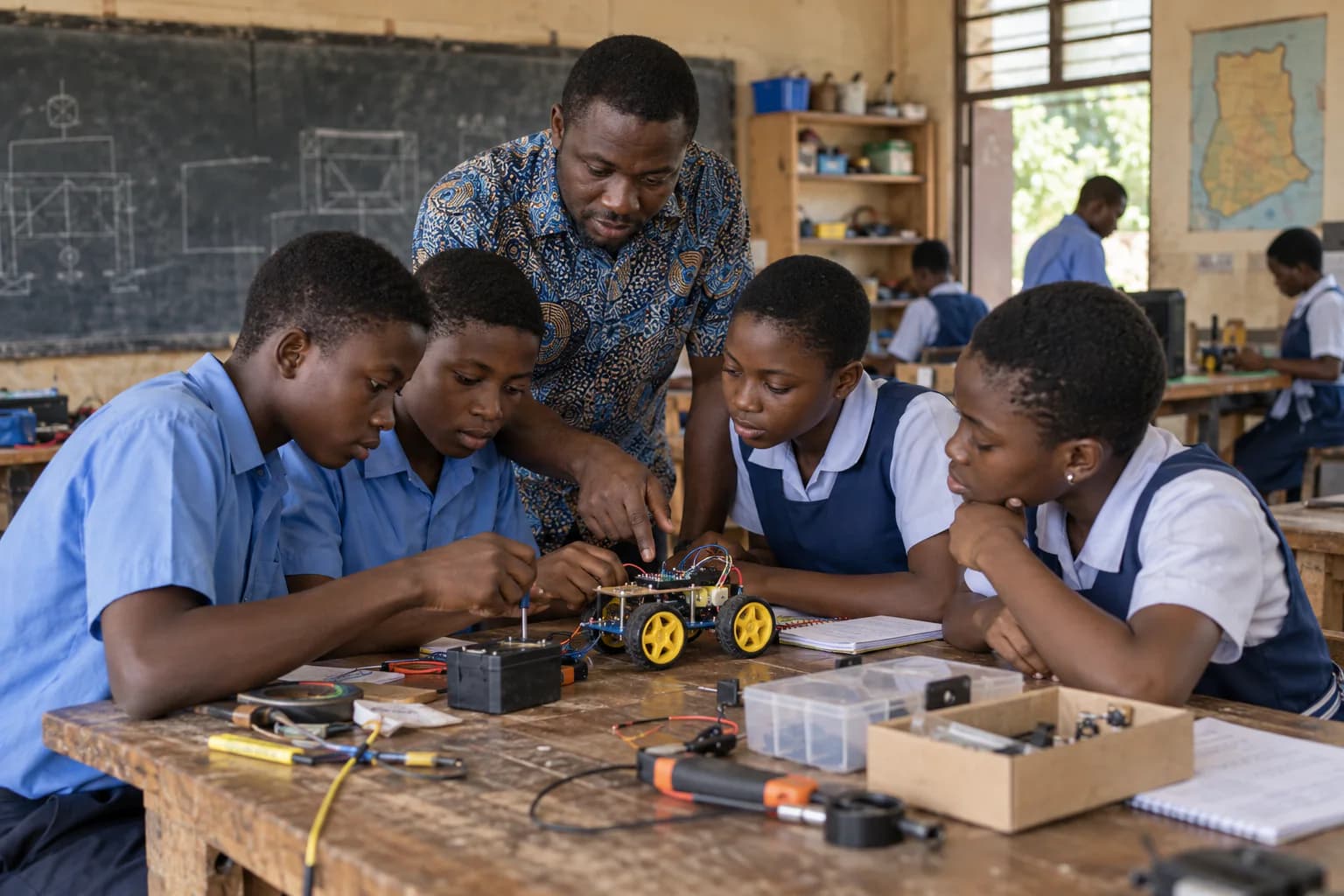
Devices matter, but continuity matters more. Ghana needs a visible progression from first digital contact to confident problem-solving, creation, and leadership.
Read insightMy journey is not a story about escaping constraint. It is a field lesson in how proximity, persistence and systems thinking can turn African problems into institutions that outlive a founder.
Read insightA serious STEM programme is not launched when equipment arrives. It begins when purpose, teachers, timetable, tools, governance and evidence can survive an ordinary school week.
Read insight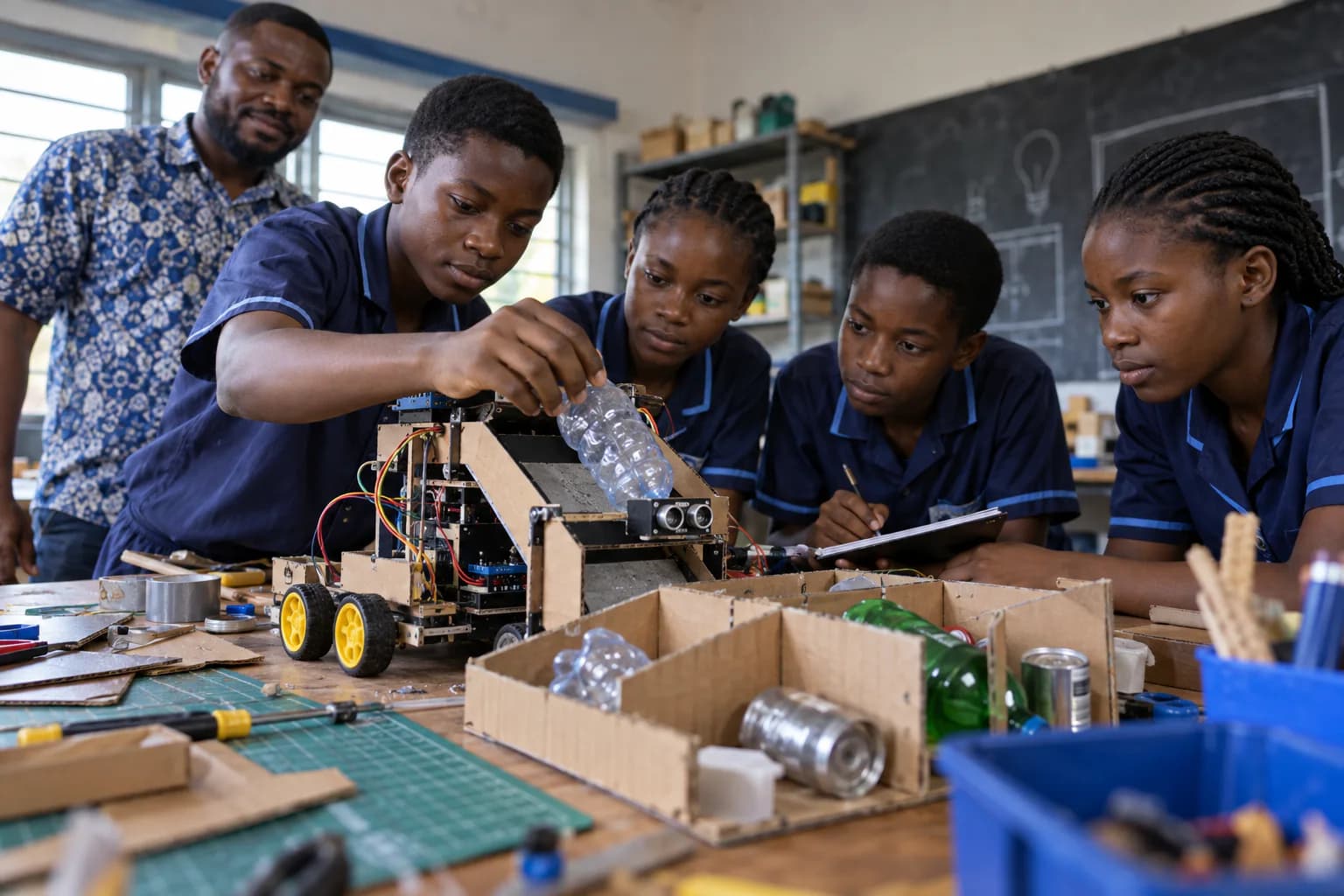
Robotics earns its place in school when it develops engineering judgement around problems learners recognise—not when the robot itself becomes the performance.
Read insightSchools rarely record the cost of postponing STEM capability. Yet every delayed year compounds learner, teacher, institutional, equity and reputational risk.
Read insightA laboratory becomes educational infrastructure only when space, teachers, progression, access, maintenance, governance and evidence operate as one system.
Read insightClubs can inspire a few learners. Ghana’s bigger opportunity is to make computational thinking a dependable progression for every learner, across subjects and school levels.
Read insightDesigning for intermittent connectivity is not lowering the standard. It is how Ghana can build digital learning that remains available, usable, teachable, and maintainable.
Read insightField frameworks
Original, practical tools for school leaders, governments and development partners designing serious STEM and AI investments.
A ten-page decision guide covering robotics capability, progression, physical and virtual access, teacher readiness, operations and defensible evidence.
Email me the PDFA ten-page professional learning system for moving teachers from AI awareness to safe, verified classroom practice and institutional capability.
Email me the PDFA ten-page policy architecture for approved use, data and vendor controls, assessment integrity, child safety, incidents and accountable review.
Email me the PDFA ten-page staged pathway from computational thinking and blocks to text programming, software design, authentic assessment and transfer.
Email me the PDFA ten-page framework for theories of change, evidence ladders, indicator discipline, ethical evaluation and decision-ready reporting.
Email me the PDFA ten-page board-ready workbook for capability briefs, flexible architecture, three-year cost, procurement, safety and continuity.
Email me the PDFA ten-page field audit for access, technical agency, belonging, safeguarding, progression and evidence beyond participation counts.
Email me the PDFA ten-page investment guide for testing strategic fit, partner capacity, delivery systems, whole-life value, evidence gates and responsible exit.
Email me the PDFTwenty-one pages of diagnostics, canvases, scorecards and implementation tools for AI, coding, robotics and STEM programmes.
Email me the PDFA 180-day implementation manual with readiness gates, capability standards, ownership maps, recovery plans and scale decisions.
Email me the PDFA practical AI literacy, safeguarding, assessment, procurement and offline-continuity manual for African schools.
Email me the PDFThree-year total-cost modelling, capability-per-cedi metrics, options appraisal, procurement tests and a board decision pack.
Email me the PDFBring the thinking into the room
Invite Jonathan to speak, advise, or help design the next learning system.
